Trust hails Culachy wind farm rejection a win for wild places
The Trust commends the Scottish Government’s rejection of a proposed wind farm near Loch Ness.
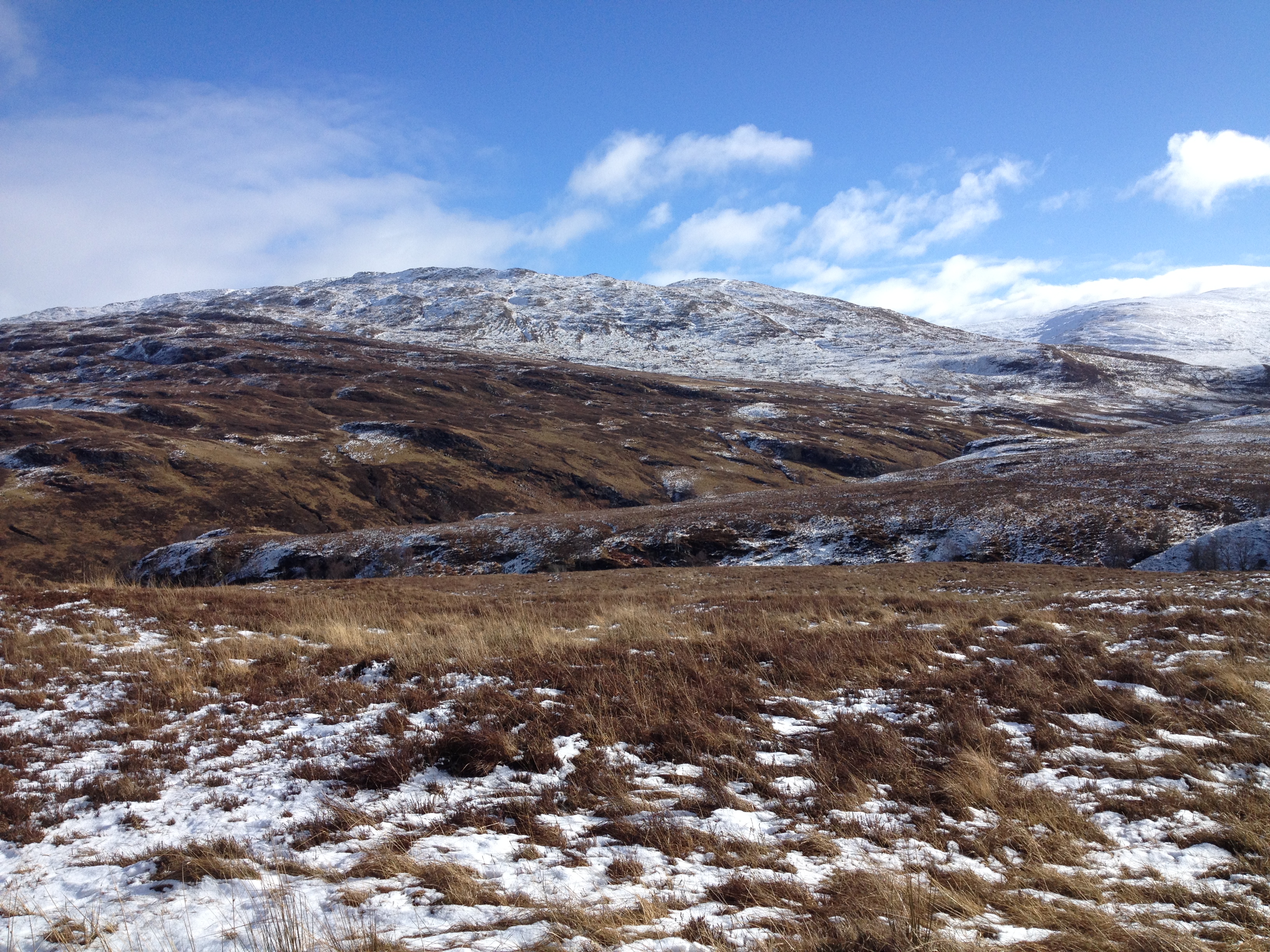
The John Muir Trust has welcomed the Scottish Government’s decision to reject a proposed wind farm development at Culachy, near Loch Ness, describing it as an important step in safeguarding Scotland’s wild places.
The proposal for eight 200m turbines and a battery storage system drew objections from a number of organisations including the John Muir Trust, the RSPB and Mountaineering Scotland, and two community councils.
In its 2024 rejection, the Trust highlighted the significant impact the development would have on the wild place. A Wild Land Impact Assessment found that the proposal would result in moderate to significant effects on wild land, with insufficient mitigation outlined.
The Trust also raised concerns that the development would add further industrial pressure to an already affected landscape, including the Beauly-Denny Overhead Line. This development would significantly harm the setting and experience of the Corrieyairack Pass - a popular route for accessing this wild place.
The site also lies almost entirely on Class 1 Peatland – a natural carbon store. The Trust argued that there appeared to be a lack of any meaningful attempt to avoid disturbance and damage to this nationally important habitat.
In reaching their decision, Scottish Ministers accepted the net economic and renewable energy benefits of the proposal but, crucially, concluded that if the development went ahead “it would result in a failure to preserve natural beauty, which is one of the factors that Scottish Ministers must take account of when making a determination”.
Ministers also agreed that the development would have “significant detrimental impacts on landscape and visual amenity, as well as adverse impacts on a special quality of the Loch Ness and Duntelchaig Special Landscape Areas”.
Thomas Widrow, Head of Policy at the Trust, said: “We welcome this decision by the Scottish Government, which recognises that Scotland’s transition to net zero must not come at the expense of its most precious landscapes.
“Culachy would have added further industrialisation to an already pressured area, resulting in significant impacts on the landscapes we cherish and the peatland that contributes to Scotland’s net zero objectives.
“We support renewable energy – but it must be delivered in the right areas, in a way that protects Scotland’s wild places for the future. We will continue to work with governments to ensure this is the case.”
The cumulative effect and pace of energy infrastructure is unprecedented, and our wild places are being disregarded. Many of our wild places are now being given over to industrial development.
While renewable energy is essential to tackling the climate crisis, the current planning system does not ensure that development happens in a way that protects our most valued wild places, which contribute to tackling the nature crisis as well.
That is why our campaign to Protect the Wild calls for a better balance, one that delivers clean energy while safeguarding the wild places that define us.
Help us defend wild places and campaign for their protection
Support our work in wild places