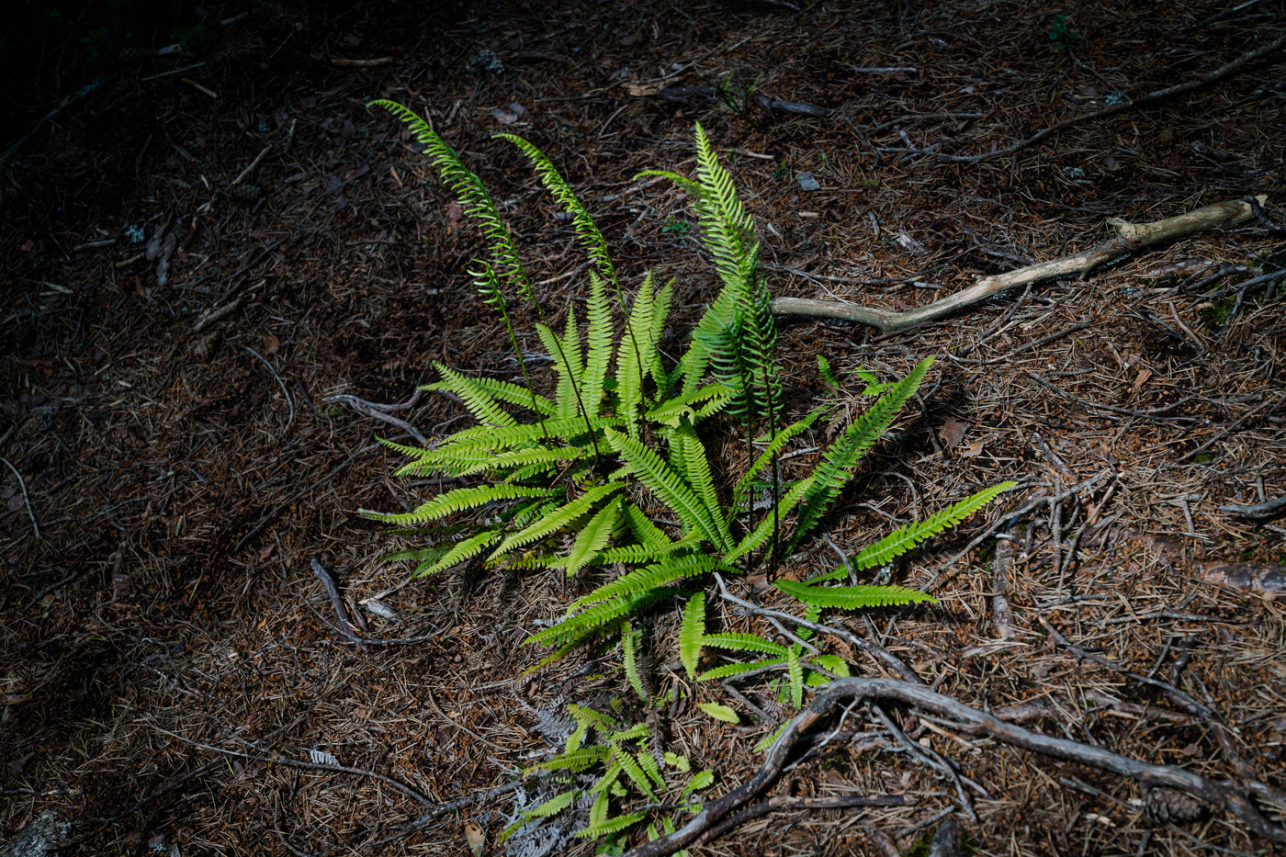
Field Notes: Inspiring young conservationists at Glenlude
Major Donors Fundraiser Liv Adams shares highlights from a hands-on day at Glenlude, where pupils from St Mary's School explored native woodland, discovered wildlife habitats and learned practical conservation skills.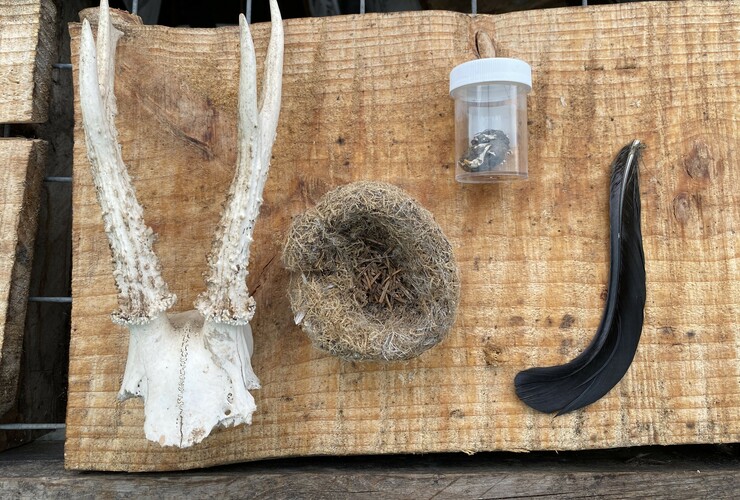
I recently joined Conservation Officer Ellie at Glenlude to welcome a group of P7s from St Mary's School in Melrose for a day of hands-on conservation and outdoor learning. We began the day with a guided walk through the site's young woodland, exploring the differences between plantation conifer forestry and native broadleaved woodland.
Along the way, we stopped and took a moment to examine different vegetation types, listen to the lovely spring birdsong, identify lichens, and look for signs of wildlife. From these quiet moments and observations, we started to delve a bit deeper into what habitat diversity means and discuss why natural regeneration is important for supporting the connections between local flora and fauna.
As we walked, Ellie and I introduced some of the species that call Glenlude home, including deer, owls, red squirrels, green hairstreak butterflies and northern brown argus butterflies.
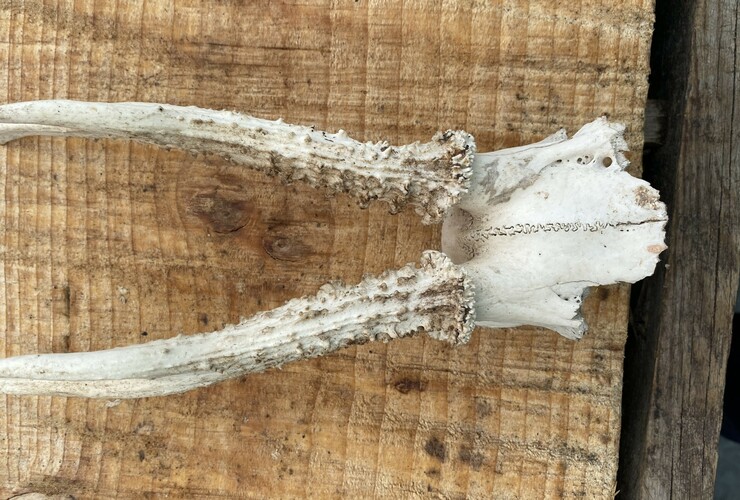
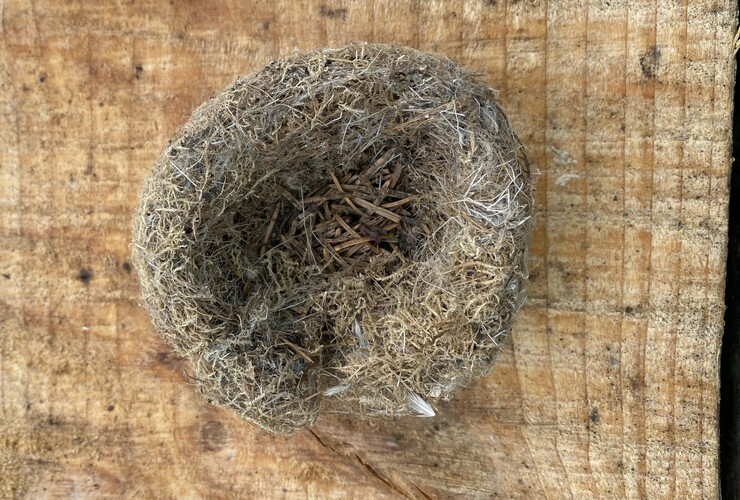
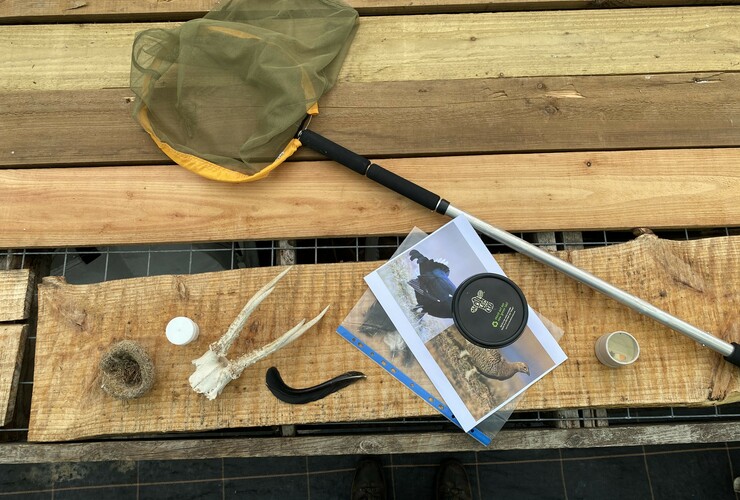
Days like this are a great reminder that not everyone learns best sitting at a desk. Being outdoors gives kids the chance to learn through experience, whether that's listening to the sounds of nature, identifying plants, or examining nature’s objects up close – be that owl pellets, snake skins and animal skulls.
Having the opportunity to see and touch things for themselves sparks excitement and a genuine curiosity about the natural world and the interconnected web of life that’s at play.
Back at the woodland, Ellie explained how our local volunteers and other visiting groups have helped Glenlude restore itself from a former sheep farm into a mosaic of different habitats. We talked about the need to plant a variety of native trees over time to mimic the natural succession of woodlands and explained how the maintenance of trees (bracken bashing and using tree guards) is as important as the planting itself. It’s about quality over quantity.
The group then split into two activities. One group stayed in the woodland to create a "site and sound map". Using the Merlin Bird ID app, I showed the pupils how to identify birds by their songs and introduced them into a bit of citizen science using lichen and leaf identification guides. A highlight for the kids was spotting a common lizard darting out from beneath the bracken.
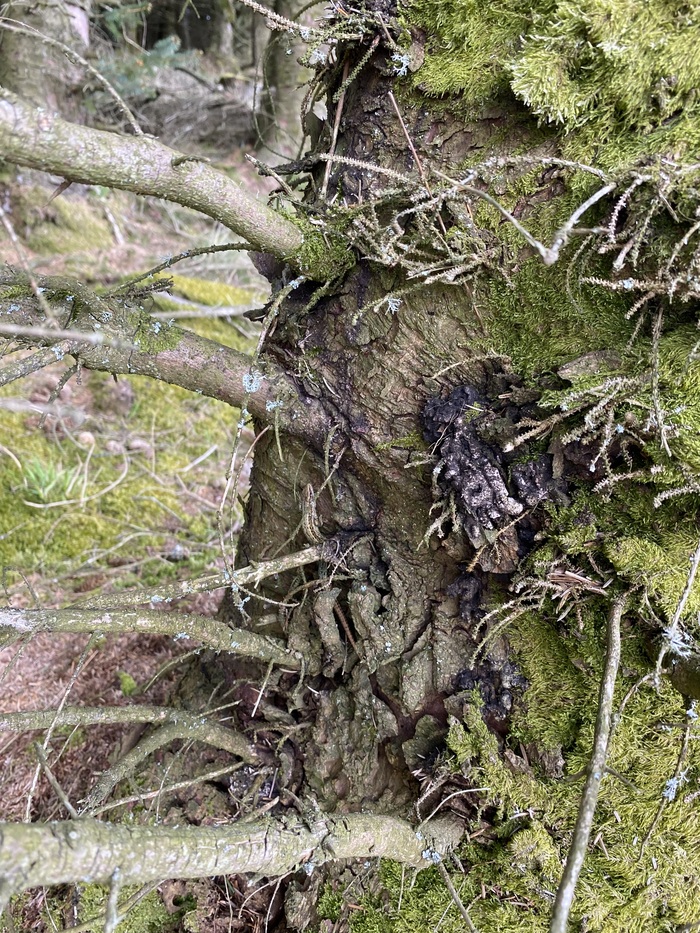
Meanwhile, the second group joined Ellie to learn how we use trail cameras to monitor wildlife, including red squirrels, badgers, pine martens and owls. They also discovered why squirrel nest boxes need to be disinfected, helping to protect native red squirrels from diseases that can be spread by invasive greys.
After lunch in the volunteer hut, we headed to higher ground for some practical conservation work. The students helped us remove young conifer saplings that had sprung up across the site, and before long the task had become a friendly competition to see who could pull the most.
There was plenty of laughter along the way, and it was rewarding to see everyone working together, getting active and embracing the challenge. Spending time outdoors like this offers so much more than just conservation benefits; it gives young people the opportunity to enjoy fresh air, build confidence and experience the satisfaction that comes from rolling up their sleeves and making a real difference.
We finished by exploring deadwood habitats, where ladybirds and lizards provided a fitting reminder of the wildlife we had been learning about throughout the day.