Nature-first approach sees woodland recovery on Knoydart
Four decades of protection are allowing native woodland and wider ecosystems to regenerate naturally on one of Scotland’s great wild landscapes
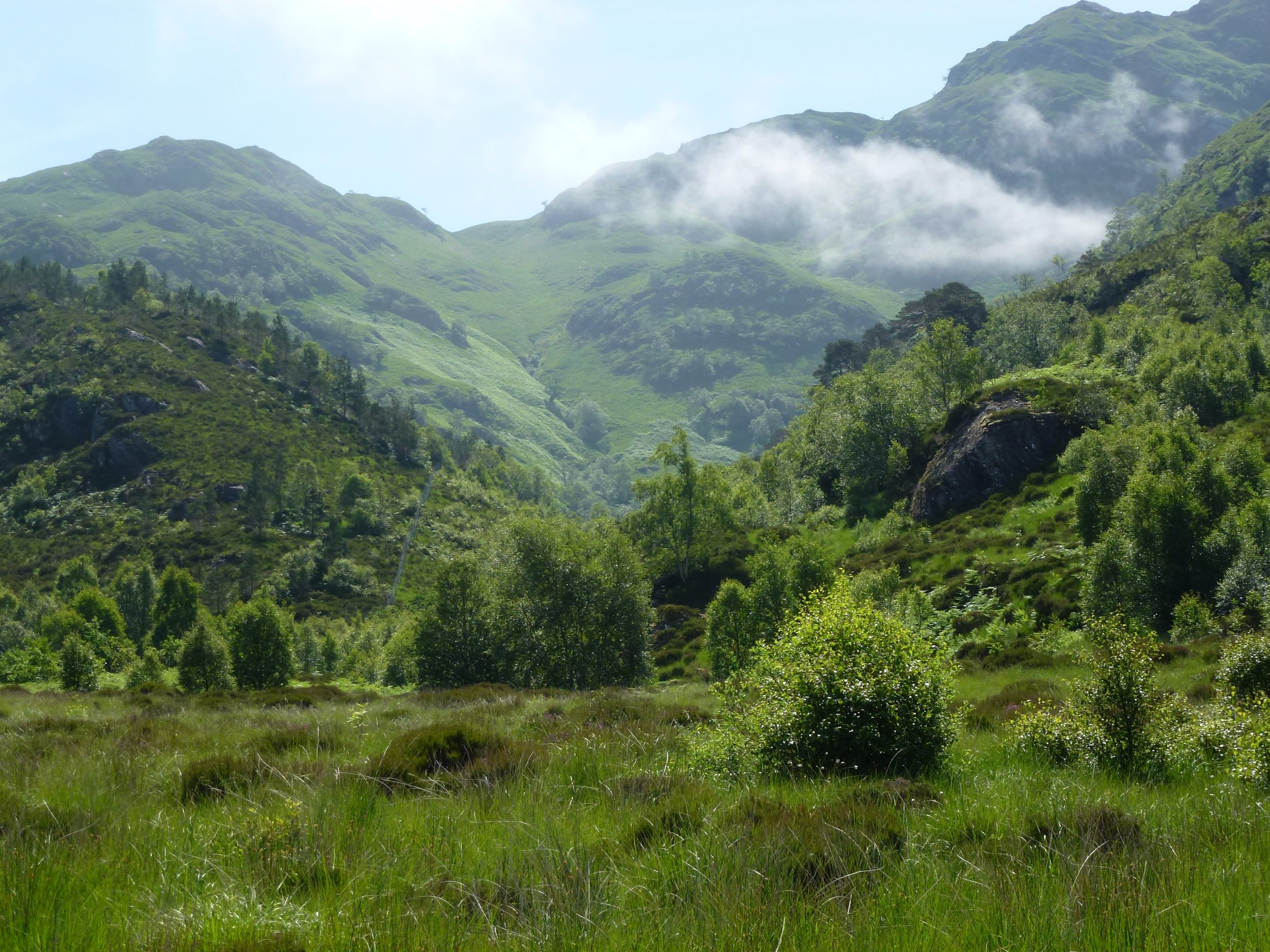
One of the UK's most important wild places is showing encouraging signs of woodland recovery. Recent field observations on John Muir Trust land at Lì and Coire Dhorrcail on the Knoydart peninsula, north-west of Scotland, reveal widespread natural regeneration of native woodland.
The findings are the latest milestone in the John Muir Trust's long-term work to protect, restore and expand native woodland on Knoydart - one of the most remote parts of the UK, and where the story of the Trust began.
When the John Muir Trust acquired Lì and Coire Dhorrcail in 1987, centuries of intensive grazing had left much of the hillside stripped of native woodland. Today, young willow, birch, rowan and aspen are establishing naturally as grazing pressure has reduced, and natural processes are again being allowed to shape the landscape.
The scale of that change is increasingly visible. When staff recently returned to recreate a photograph taken in 1987, they found the original viewpoint difficult to reach. The comparison offers a striking visual reminder of how protecting wild places over the long term can allow natural landscapes to recover.
Trust CEO, David Balharry, said: "Protecting wild places demonstrates our ability to care for the planet, they remind us that we are part of something bigger and help safeguard complex natural processes we may not yet understand.
"Our latest observations on Knoydart show what can happen when we give natural processes the chance to lead. With effective deer management we are now seeing the beginnings of native woodland and montane shrub beginning to regenerate.
"Protecting and restoring wild places isn't about delivering quick fixes. It's about creating and addressing the consequences of past human actions and providing the conditions that allow nature to recover over generations."
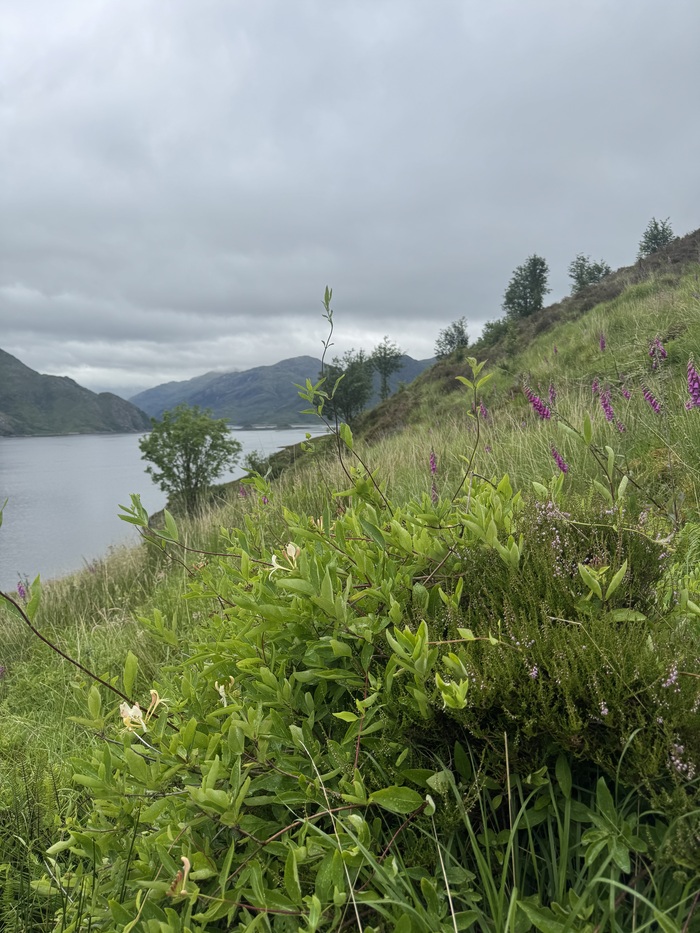
In some areas young trees are growing at heights beyond the reach of browsing deer, while bramble, honeysuckle (pictured above) and wild rose are becoming established in the developing woodland understorey, contributing to its structure and resilience.
Taken together, these changes suggest more than simply an increase in tree regeneration, they indicate that ecological processes are beginning to reassert themselves and connect across the landscape.
Scattered through the landscape willow trees provide a vivid record of the change. Their stems carry the scars of repeated browsing and being thrashed by stags’ antlers, while newer growth now extends above browsing height.
Taken together, these changes demonstrate why the Trust focuses on the impact of deer on the landscape rather than simply on deer numbers. Two areas with similar deer densities can experience very different levels of regeneration depending on factors including altitude, aspect, soil and vegetation.
Alongside pressure from intensive deer browsing, another threat to the wild place quality on Knoydart is from invasive non-native species. Rhododendron ponticum, Gunnera (pictured below) and Cotoneaster are potential serious problems that require urgent attention.
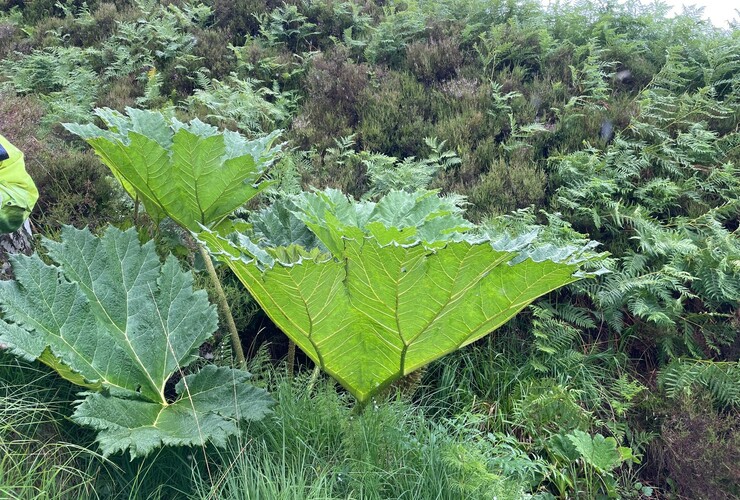
With support from Highland Council's Nature Restoration Fund, specialist contractors recently completed the first phase of invasive non-native species control across the Trust’s property on Knoydart, helping protect the next stage of woodland recovery.
David explains: “Managing land for natural processes means intervening where necessary to enable recovery and knowing when stepping back becomes the better decision for ecological integrity.”
The changes taking place on Knoydart provide an important reminder that nature can recover when given the opportunity.
- Find out more about our work on Knoydart.