Wild at heart in Coventry
Training and Engagement Officer Alison Bucknall provides an update on the Trust’s role in the Charterhouse Heritage Park project in Coventry – a site often described as a green lung in the heart of the city.
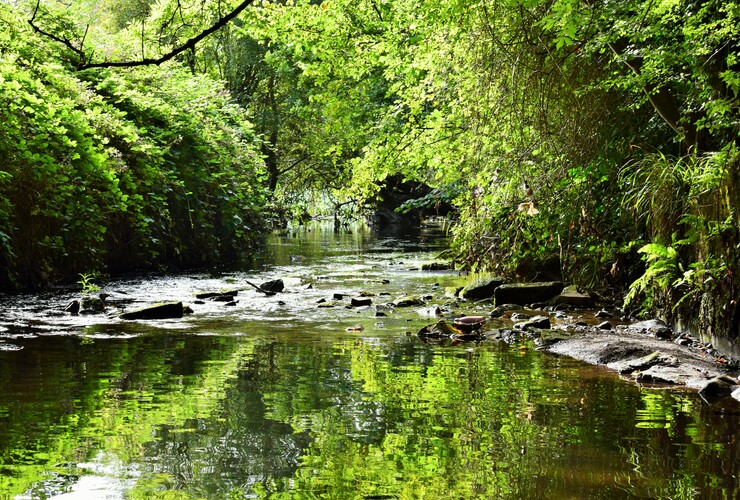
Although rather different in terms of location, the John Muir Trust’s work as part of the Charterhouse Heritage Park project in Coventry is every bit as exciting and meaningful as our work in more rugged upland locations around Scotland and in the Lake District. As our first urban initiative, it offers a valuable opportunity to advance our purpose of protecting wild places for all.
An 18ha urban green space, where natural and built heritage sit side by side, Charterhouse Heritage Park is home to a mosaic of woodland and grassland, with a medieval monastic house at its centre. Although undermanaged in recent decades, the park is greatly valued by the local community – and will be even more so as work progresses.
Part of a broad partnership that includes Coventry City Council, the National Trust, Historic Coventry Trust and the Warwickshire Wildlife Trust, the John Muir Trust is helping to ensure that the site’s natural processes thrive and that residents can access and feel even more connected to this important place.
With each partner bringing specific areas of expertise, our involvement focuses on the wider heritage park area. The aim, while retaining its wildness, is to make improvements to access and signage, tackle invasive non-native plants and create new opportunities for outdoor learning and volunteering.
Rich history
At the heart of the heritage park is the Grade I listed Charterhouse building. Founded in 1381 as a Carthusian monastery, this magnificent building was once home to a silent order of monks and housed some of the finest examples of medieval and Renaissance art in England.
The building was in a terrible state of decay before members of the community came together and worked with Historic Coventry Trust to save it from sale and possible demolition. By 2022, Charterhouse had undergone major renovation and was removed from the Heritage at Risk register. Both the Charterhouse building and immediate grounds, including a walled garden, are now in the care of the National Trust.
The wider grounds, where our work is focused, are equally impressive – with many stories to tell. The River Sherbourne, which flows through the heritage park, features one of several sluice gates that were installed in 1942 to dam water for firefighting during war-time bombing raids.
A little further along the river is an impressive viaduct built by Robert Stephenson in the 1830s as part of the world’s first long-distance inter-city railway. The viaduct remains in use today, carrying trains on the main line between London and Birmingham.
Elsewhere, there is a Grade II listed Victorian railway tunnel with ornately decorated portals, plus an area of allotments built more than 80 years ago but which have been unused since the 1980s. Here, there are old brick foundations and paths, abandoned gardening equipment and even a couple of old sheds, their rusted metal frames now providing habitat for birds and other wildlife that have claimed the space.
Ramping up
Work at Charterhouse is now gaining momentum, with the recent launch of Nature Towns and Cities – Green for All. Led by Coventry City Council, this three-year project sees a partnership of conservation and community focused charities and academic bodies working across the city, including the John Muir Trust (although our involvement extends far beyond the project’s initial three years).
This broad project will boost nature recovery and enhance the city’s climate resilience with local communities at its heart, empowering them to help shape the future of Coventry’s natural environment.
The need for this work is clear, with Coventry ranking a lowly 52nd out of England’s 55 primary urban areas in the 2024 Green Cities Index. Produced by ENDS Report – a valued source of intelligence for environmental professionals – the index is the result of analysis of a range of environmental data and measures, including access to green space, tree cover, air quality, climate resilience and nature recovery. Coventry’s poor ranking highlights both challenge and opportunity. It underlines why sites such as Charterhouse Heritage Park are important not just as pockets of green in the city, but as living, breathing landscapes that support biodiversity, improve wellbeing and help reconnect people with nature on their doorstep.
A key aim of the Green For All project is to support the nature restoration of 30% of land by 2030, which was part of a UK Government commitment agreed at the UN Biodiversity Summit (COP15) in 2022. Currently this stands at around 11% for Coventry, so it’s encouraging to see this level of ambition and commitment.
Charterhouse champions
Ultimately, the work at Charterhouse and elsewhere in the city is about people and how they come together. At Charterhouse, they include two locals, Dave and Les, who can be found enjoying the heritage park on most days – with Dave spending time feeding the birds and helping to keep paths clear and Les capturing fantastic images with his camera.
Together, they know more than most about the geography, flora and fauna of the heritage park and have played an invaluable role in sharing that knowledge. Dave’s straight-talking means that he’s not afraid to voice concerns and challenge where needed, standing up for his wild place.
“I moved into the Charterhouse area 38 years ago because my young daughter and I saw that the fields and old building were close by,” says Dave. “Fortunately, access to the area has been maintained and we have spent the years enjoying the open space and discovering so many different plants and animals that, often, life doesn’t give you time to think about or see.”
Another long-time resident of the area, Les shares his love of the heritage park through photography, creating an annual yearbook for friends and family, as well as leading walks and supporting events.
“I volunteer unofficially with the John Muir Trust and others conducting walks and talks, and sharing my experiences,” he explains. “I just love being outdoors and, during the course of the year, I usually spot around 40 different species of birds along with muntjac and roe deer, badgers and foxes.
“My hopes are that the John Muir Trust will transform what are often muddy paths for more people to enjoy and educate our visitors on the benefits of the great outdoors, although I wish our more remote areas to remain wild so that the wildlife can thrive going forward.”
Next steps
Over the coming months, we will continue to engage with the community by offering free events including photography and dawn chorus walks, plus outdoor yoga once it gets a little warmer. We’ll also be conducting door-to-door surveys and consultation events with local groups.
Importantly, as part of our work in Coventry, we will be supporting groups to complete the John Muir Award, offering training and information to help people get started.
- Find out more about our work at Charterhouse Heritage Park.
- This article first appeared in the Spring / Summer 2026 edition of the John Muir Trust Members' Journal. If you would like to receive our Journal twice a year please consider joining the Trust as a Member.
Photograph of the River Sherbourne in the Charterhouse Heritage Park, Coventry by Les Ward.
Help us care for wild places in 2026
Support vital work to inspire people to take action for wild places
Related News
28 Sep 2026
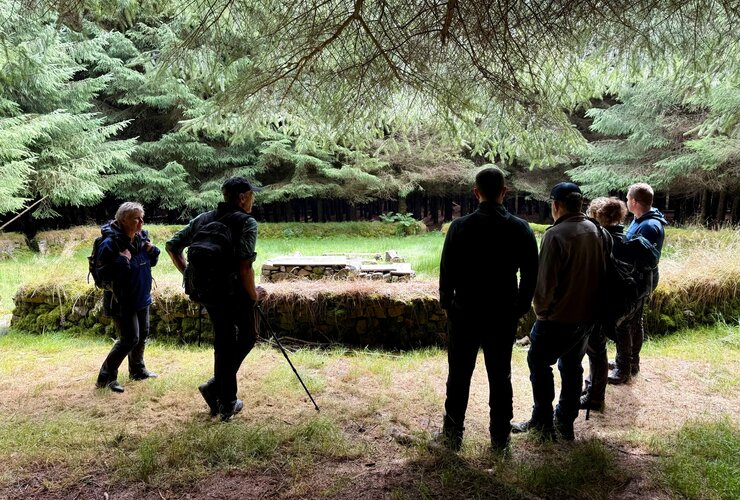
A grand day out at Glenlude
15 Sep 2026
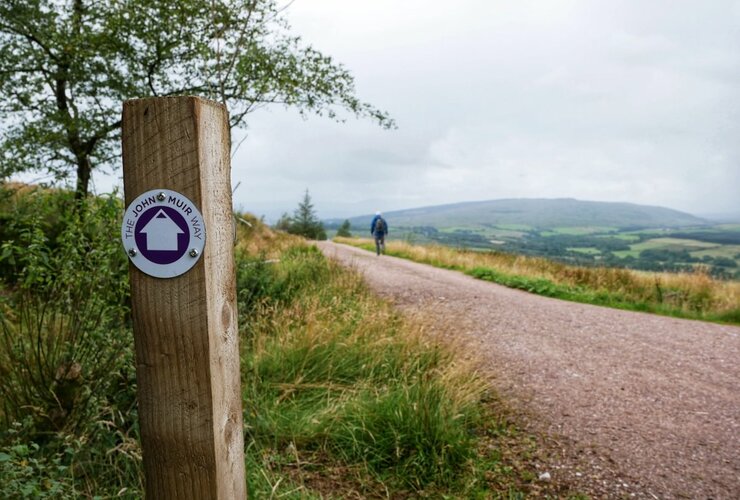
The path ahead for the John Muir Way